When a patient asks how or when to rinse their lenses, they are rarely asking only about rinsing. Underneath most product questions is a quieter request: help me get this right so I can stop thinking about my eyes and get on with my life.
For people wearing scleral lenses for keratoconus, dry eye or other corneal conditions, lenses are not an accessory. They are the difference between blurry, painful days and being able to drive, read, work and see their kids' faces clearly. Every small uncertainty in the care routine is a small threat to that normal life. So they ask questions and most have a hidden message.
What patients ask, and what they mean
Here are a few real questions patients have sent in.
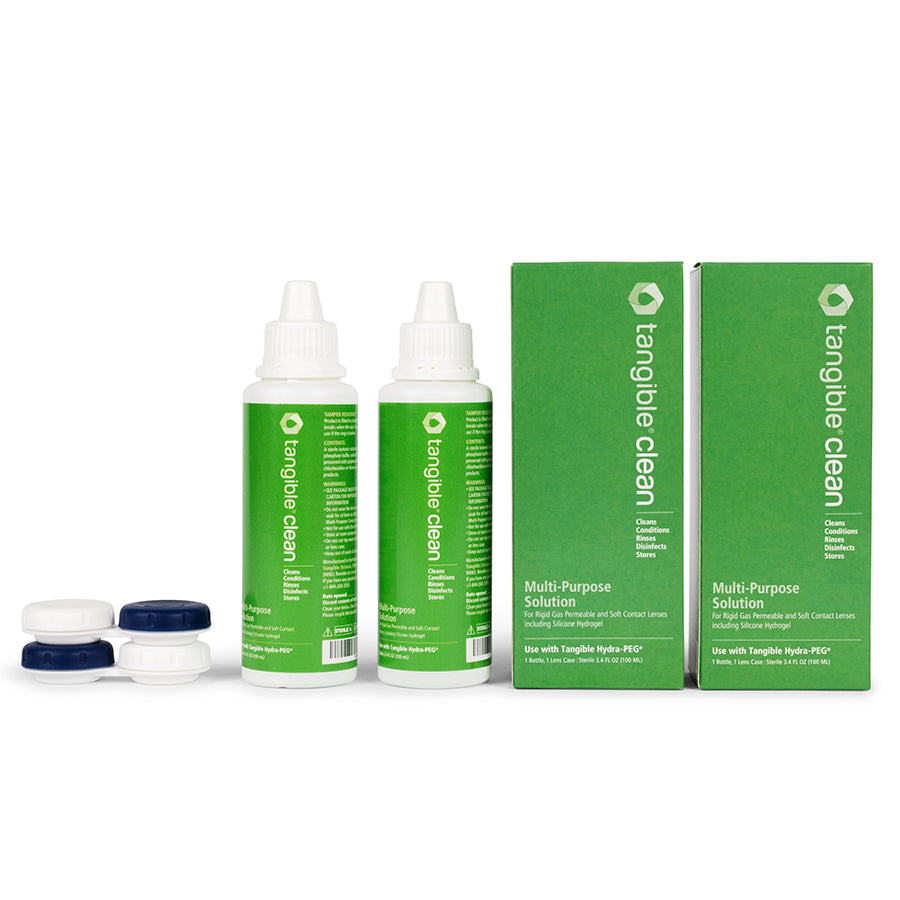
Gail: "Should I lightly rub my Hydra-PEG lens with Tangible Clean before soaking overnight, and will it harm the coating?" What she may be saying: I finally have lenses that feel good. I'm scared of ruining them by doing something wrong.
Lori: "I’m going to the lake house for the first time with sclerals. Can I swim in them and how long is okay to be outdoors? What she may be saying: I want to enjoy my summer and my life just like I did before I had scleral lenses.
Anne, about her daughter with keratoconus: "At times she has difficulty with dryness. Are there any other suggestions?" What she may be saying: I want my child to get through a school day without her eyes being the thing she thinks about most.
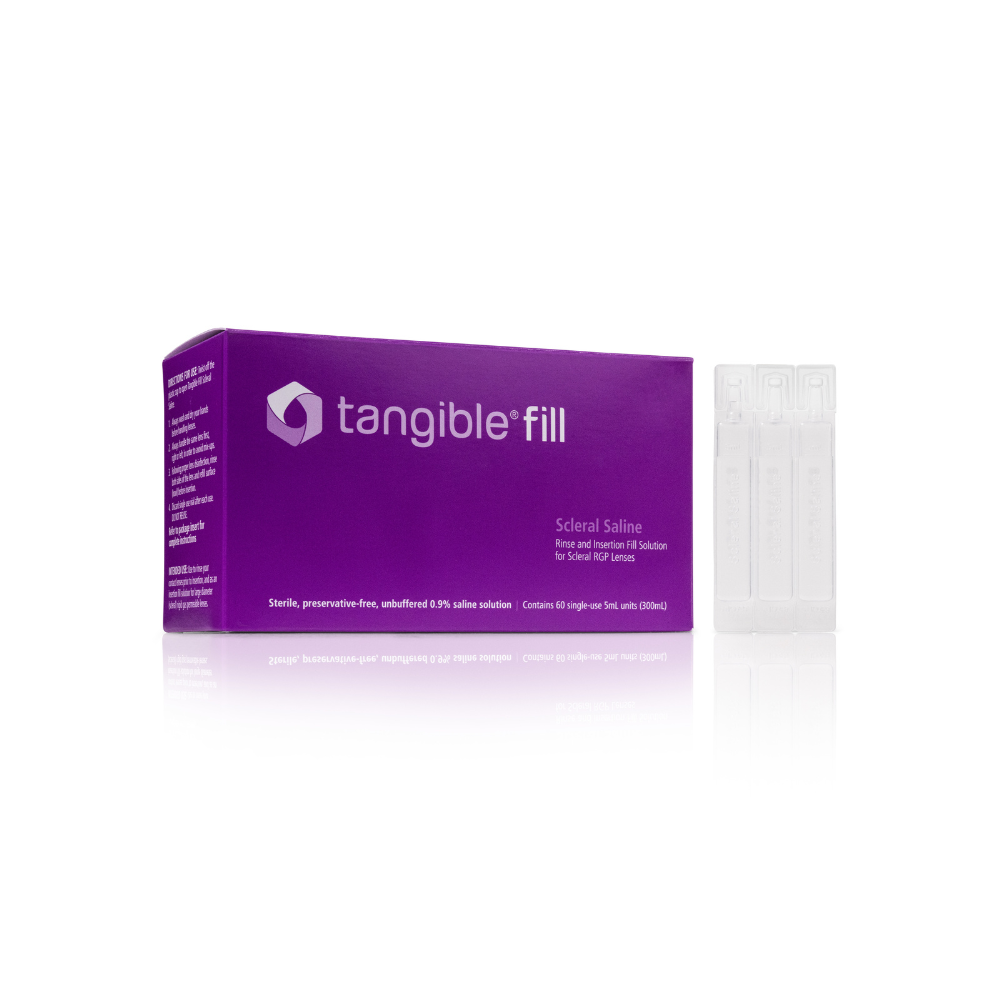
Ben: "Can I use any saline with my Hydra-PEG lenses?" What he may be saying: I'm traveling and I need to know I won't be stuck.
Why the hidden messages matter
The questions may also reveal gaps we didn’t realize were there. A patient asking how two care products work together may simply need clearer instructions. A patient asking what to do about dryness may be telling us that lens wear is becoming difficult halfway through the day. Those are exactly the kinds of real-world questions patients are already asking
Patients want to protect something hard-won. When a question goes unanswered, they fill the gap themselves, often with forum posts, AI answers or guesswork.
That leads to frustration, confusion and extra visits. Worse, it can lead to a patient quietly giving up on a routine that would have worked.
When we anticipate these concerns and answer them early, patients have more success!
-
Put it in writing. Send patients home with clear instructions, a step-by-step routine and trusted resources, so they aren't relying on memory.
-
Steer them toward good sources. Gently warn about the limits of online forums and AI answers, and tell them where to go instead.
-
Let them record the visit. Suggesting patients record their dispense or training visit on their phone gives them something to replay at 10 p.m. when doubt creeps in.
-
Use the waiting time. Show application, removal and product videos while you set up, then email the links afterward.
-
Offer samples. Starting a patient with the right products removes guesswork and makes it more likely they'll stick with a routine that works.
-
Ask one more question. "What would make this easier for you day to day?" often surfaces the real concern faster than any explanation.
The goal is an ordinary day
We spend a lot of time perfecting the “fit” of lenses and teaching patients how to care for them. But part of successful specialty lens care is also teaching patients how to live in them.
As practitioners, we may measure success with words like “HOA correction” and "quadrant specific” but patients don’t. Patients measure success with how little they have to think about their lenses each day. To them, an ordinary day is worth celebrating!
Kemberly Grizzaffi